Practice 1
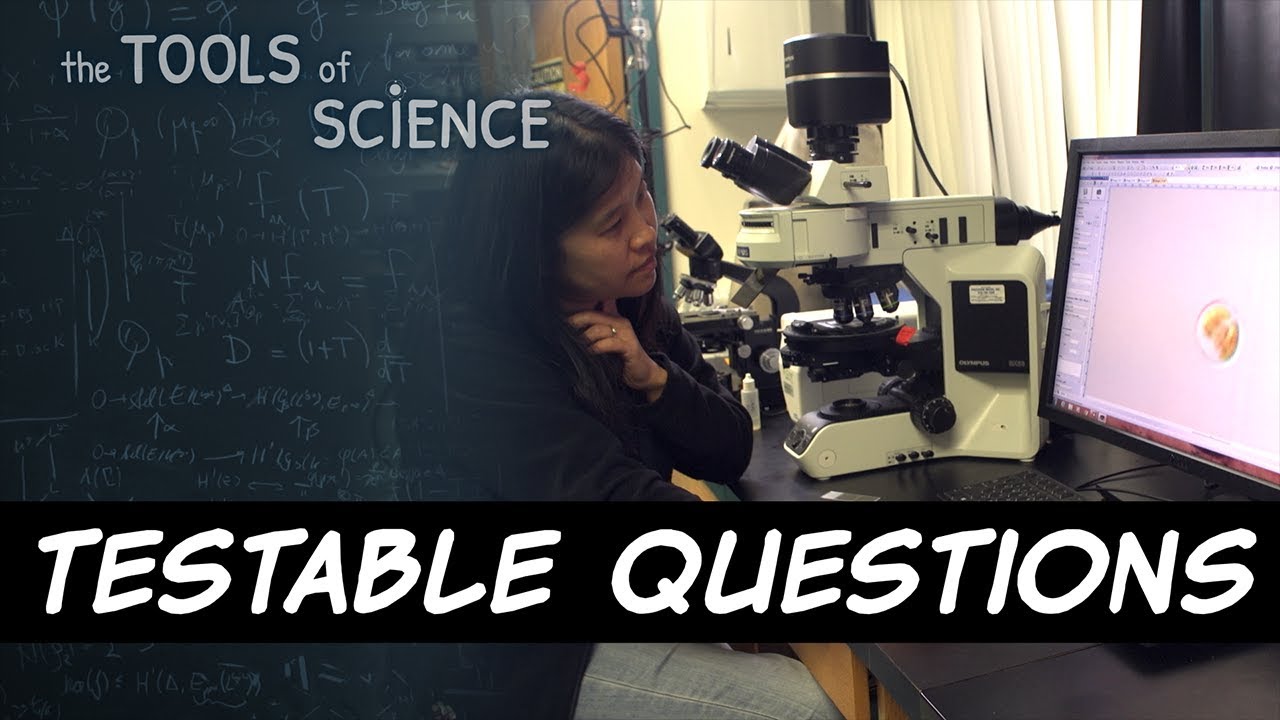
Testable Questions
How do scientists turn curiosity into questions that can be investigated?
Short films on science practices in real research
Explore the nature and process of science, including how scientists ask questions, collect evidence, build explanations, and communicate their work.
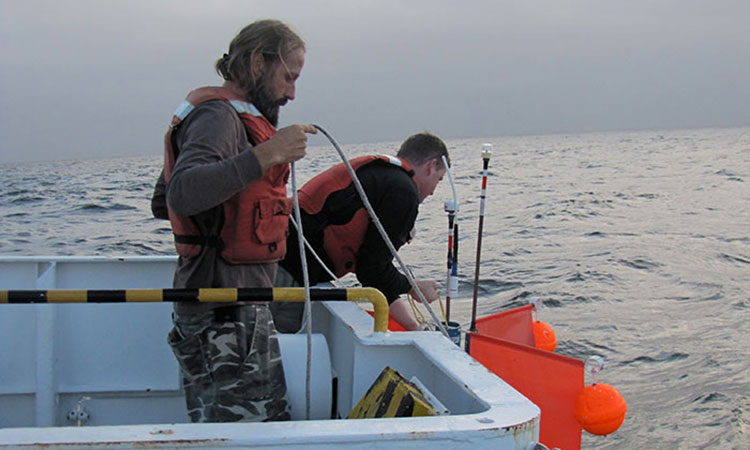
Science and engineering practices in action
Film library
These short videos are designed to introduce the science and engineering practices from the point of view of practicing scientists. They showcase the practices, tools, and people involved in scientific research. You can find the full series on YouTube.
Practice 1
How do scientists turn curiosity into questions that can be investigated?
Practice 2
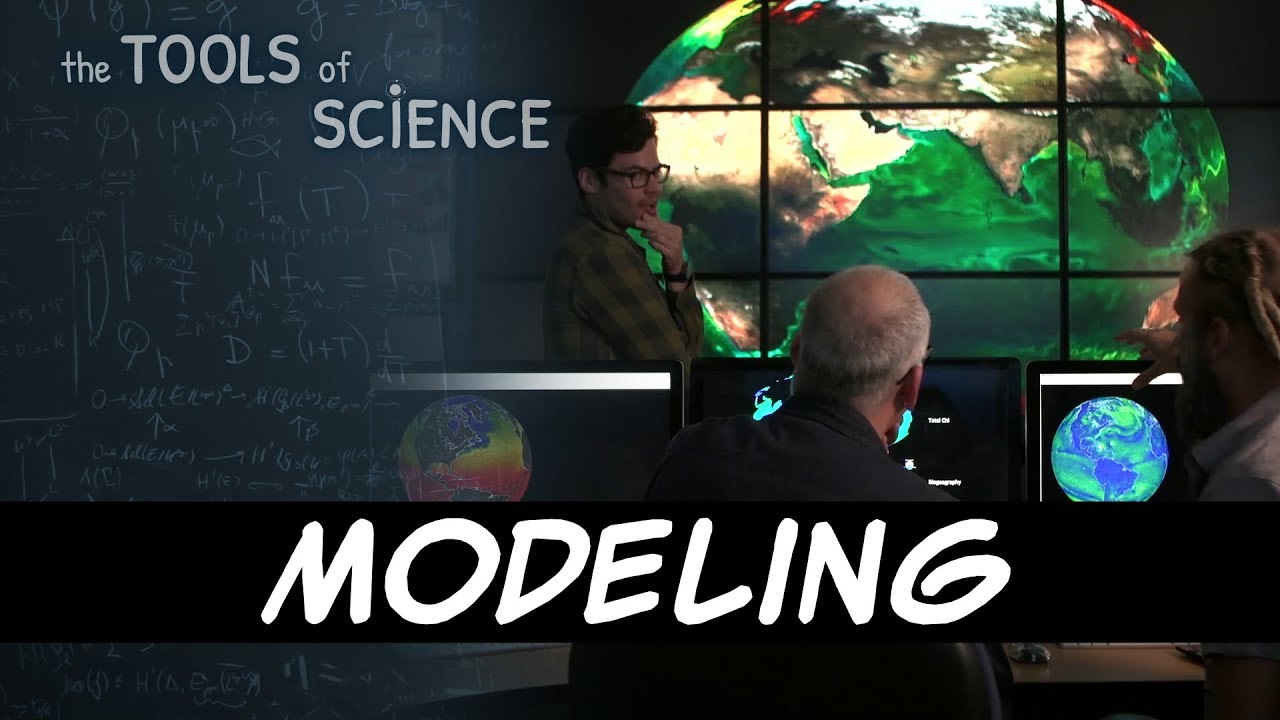
Explore how models help scientists make sense of systems they cannot observe all at once.
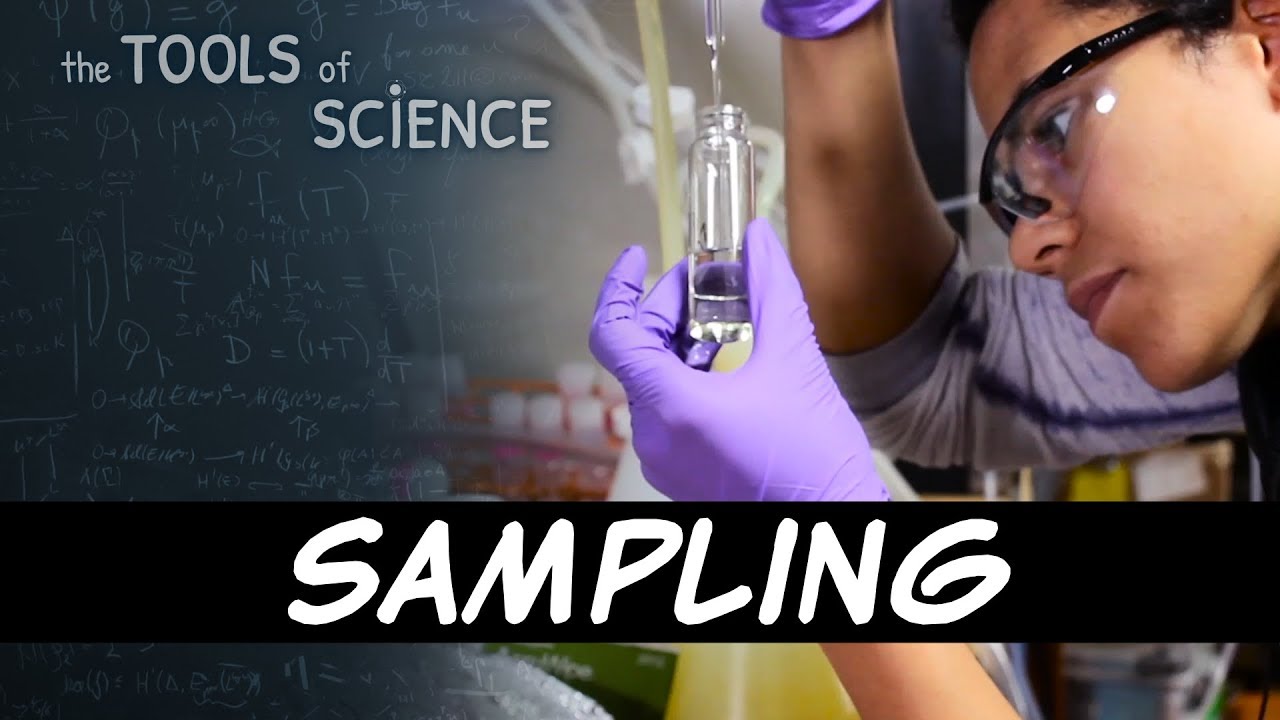
Practice 3
Learn how scientists collect representative samples to answer questions about a larger population.
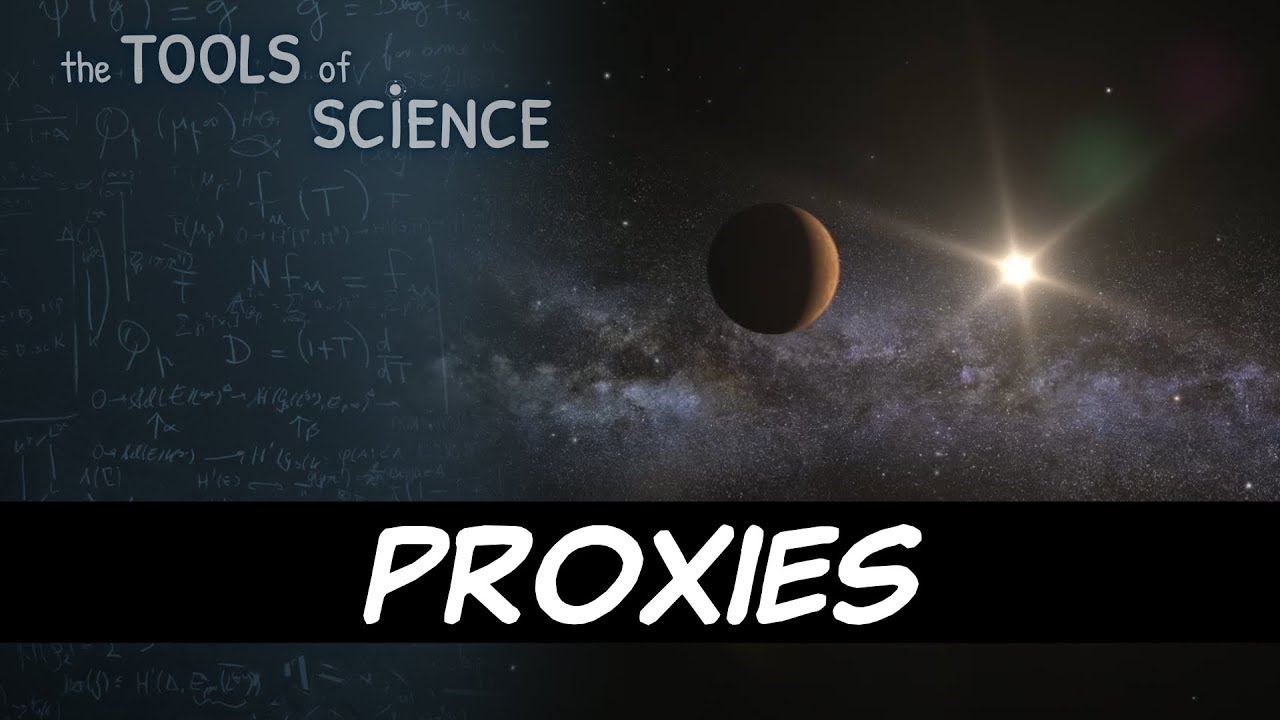
Practice 3
See how proxies let scientists measure parts of the natural world that cannot be observed directly.
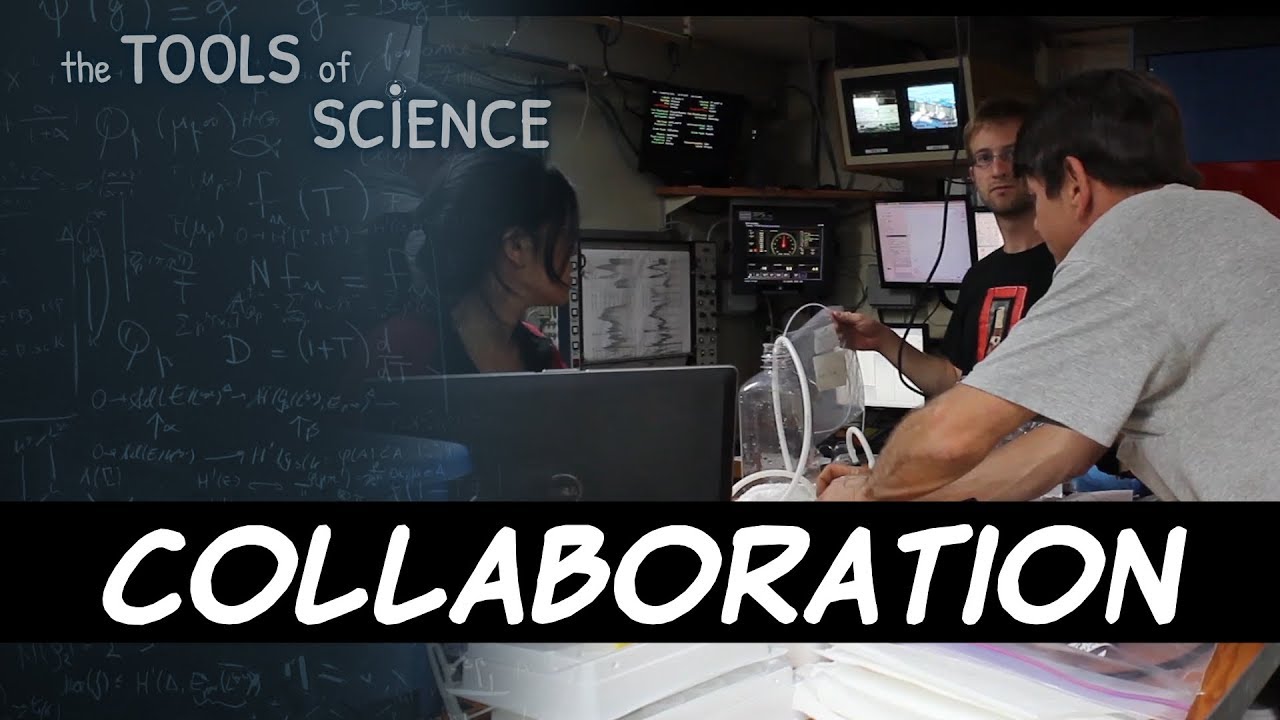
Practice 8
Discover how scientists with different expertise work together to answer complex questions.
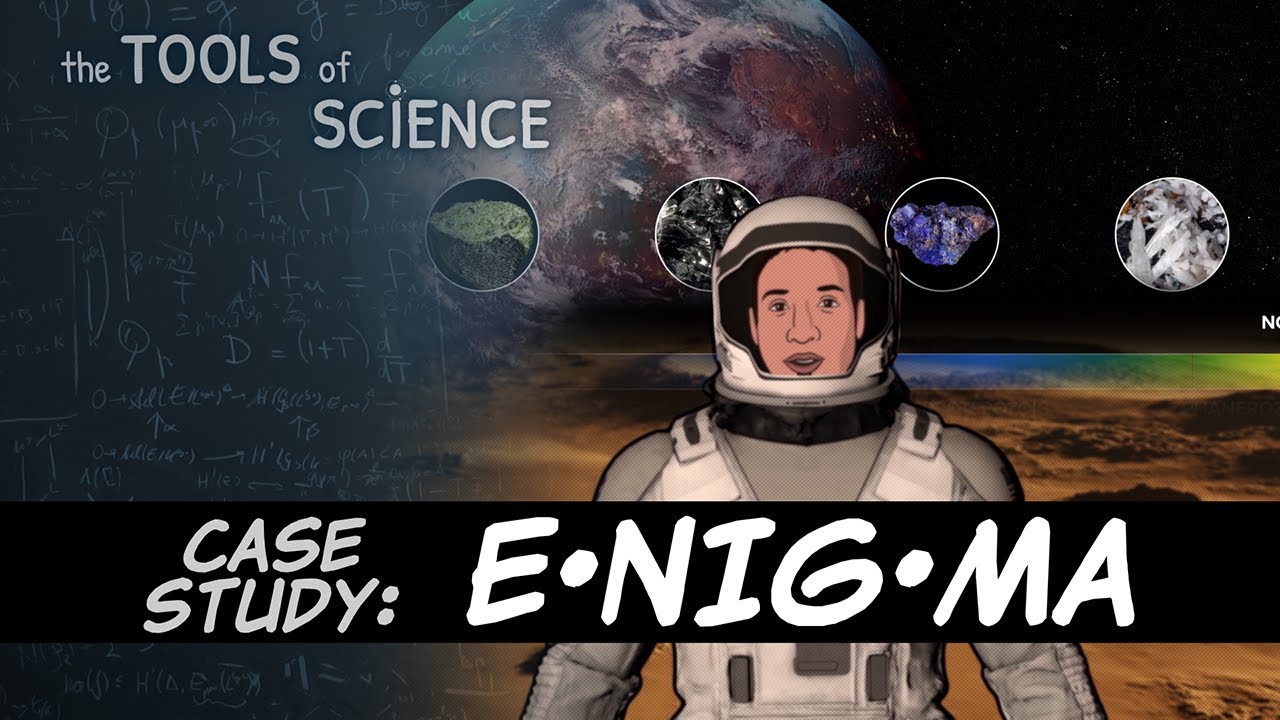
A Research Story
A case study in the questions, tools, and people that shape a scientific investigation.
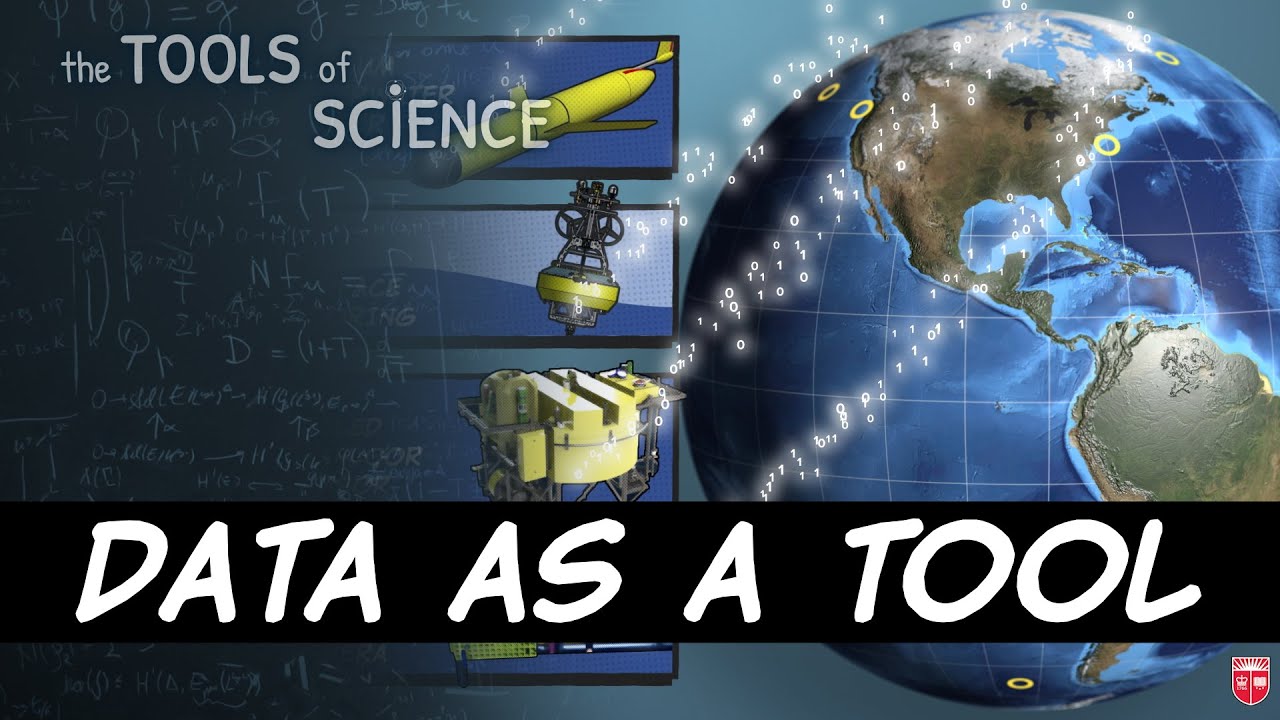
Practice 4
Explore why good data matters, how it is collected and analyzed, and how OOI changes the possibilities.
New Ideas
Creativity is part of every step of science, especially when disciplines come together to solve difficult problems.
About the series
Tools of Science is a series of educational videos designed to help students explore the nature and process of science. These short videos introduce the science and engineering practices from the point of view of practicing scientists, illustrating the non-linear, cyclical nature of science and the creative vision and skills needed to conduct scientific research.
The series was produced by the Department of Marine and Coastal Sciences at Rutgers University and Tilapia Film. The videos and associated materials support the Framework for K-12 Science Education and the Next Generation Science Standards.
For educators
The videos and associated materials have been produced in close collaboration with educators to support the Framework for K-12 Science Education and the Next Generation Science Standards (NGSS). You can use these films as introductions, discussion starters, or examples of real-world research to support your STEM units. We have listed the practices below with the films that best support each topic.
Explore the NGSS practicesTestable Questions shows how scientists turn curiosity into questions that can be investigated.
Modeling shows how scientists use representations to explore systems and explain patterns. For more on scientific models, listen to Dr. Mick Follows in the Ocean Gazing Podcast.
Data as a Tool examines why data matters to scientific discovery, how it is collected, and how it can be analyzed and used responsibly.
Collaboration shows how scientists with different expertise work together to investigate questions and communicate what they learn.
People behind the project
The core team brings together marine science, education, and film production to create the series and connect research with students and educators.
Microbial oceanographer and molecular ecologist
Kay is interested in phytoplankton-virus arms races and how microbial genes influence ocean ecosystems. He is one of the principal contributors to the conceptual design of the series, and his research is a content focus for the project.
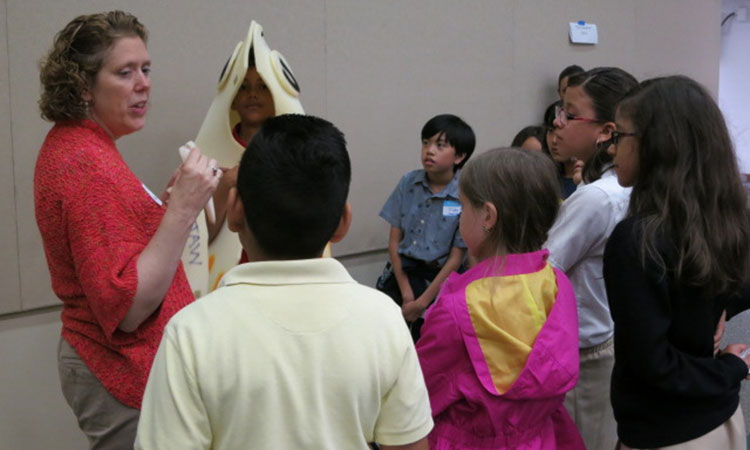
Educator, Department of 4-H Youth Development
Janice develops tools and professional development programs that promote Ocean Literacy. She is a principal contributor to the conceptual design of the series, translating and distributing resources to educators and students.

Molecular and cell biologist
Kim studies the molecular mechanisms behind the ecological success of phytoplankton. She is a principal contributor to the conceptual design of the series, and her research on light and photosynthesis is featured in the project.
Production team
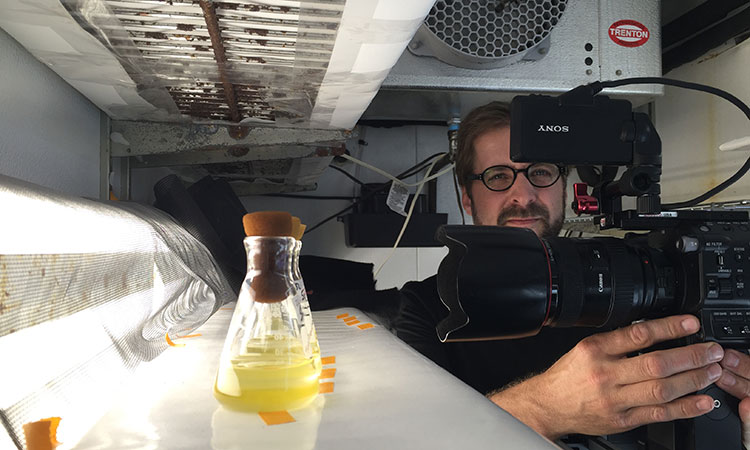
Josh Kurz, Chris Metzler, and Jeff Springer produced the Tools of Science videos. They are principal contributors and the creative force behind these educational films.
This videos were developed in collaboration with researchers from a wide variety of disciplines, including oceanography, biology, chemistry, mathematical modeling, and more. The research and these videos are part of a larger Convergent Research effort, bringing together questions, methods, and perspectives from multiple fields to address complex ocean science challenges.
Massachusetts Institute of Technology
Massachusetts Institute of Technology
Rutgers University
Rutgers University
Woods Hole Oceanographic Institution
College of Charleston
Weizmann Institute of Science
Curtin University
These videos were made possible by the support of the following organizations: